The transformation of games from physical board and card formats to digital and online platforms illustrates a significant shift in entertainment and social interaction, driven by advances in technology. This evolution mirrors broader societal changes, impacting how games are accessed, played, and perceived.
Historical Context of Gaming
Games have been integral to human society for thousands of years, serving as important cultural and social activities. Ancient civilizations created games like Senet in Egypt and the Royal Game of Ur in Mesopotamia. These games were not just pastimes but also ways to foster community bonds and facilitate social interaction.
.png)
The Digital Revolution
The latter part of the 20th century marked a pivotal turn with the advent of video games. Early games like Pong laid the foundation, but it was the development of gaming consoles and personal computers that truly changed the playing field. This era set the stage for a migration from physical game boards and cards to screens.
The Rise of Online Gaming
The widespread adoption of the internet was the catalyst for the explosive growth of online gaming. Multiplayer games evolved from local shared experiences to global interactions. Titles like World of Warcraft and Fortnite exemplify this shift, offering not just gaming experiences but also new social venues where players from different parts of the world can interact in real-time.
Benefits of Online Gaming
Accessibility: Online games are easily accessible to anyone with an internet connection and a compatible device, removing the need for physical game sets and dedicated spaces.
Diversity: The internet hosts an incredibly diverse range of games, catering to all tastes and interests—from simple puzzles to complex multiplayer strategy games and immersive role-playing games.
Community: Online platforms have fostered new social communities, transcending geographical barriers and creating spaces for players to meet, collaborate, and compete on a global scale.
Economic Impact
The economic landscape of gaming has also transformed. The freemium model, where games are free but players can purchase in-game items or advantages, has become prevalent. This model not only changes how games are monetized but also how they are developed and marketed.
Challenges and Considerations
Despite its many benefits, the shift to online gaming raises several issues. Concerns over privacy, security, and the risk of addiction are prominent. There is also the issue of the digital divide; not everyone has the necessary access to participate fully in these digital spaces, which can lead to disparities in who is able to benefit from these gaming experiences.
The Future of Gaming
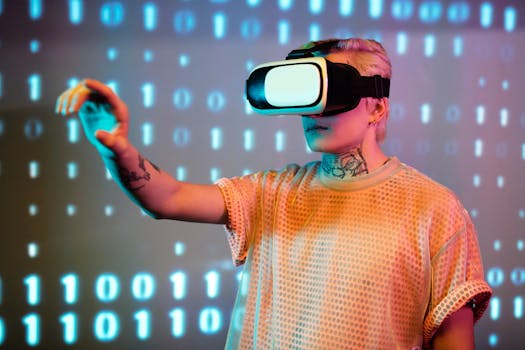
Emerging technologies like virtual reality (VR) and augmented reality (AR) promise to further revolutionize the gaming industry. These technologies provide even more immersive experiences, potentially transforming gaming into a more integrated part of daily life and further blurring the lines between physical and digital realities.
Conclusion
The transformation from physical to online games is more than just a change in the medium—it reflects significant shifts in our technological capabilities and social habits. As technology continues to advance, the boundaries of gaming will likely expand even further, continually reshaping our approach to this enduring form of entertainment and social interaction.