Slot Machines: Understanding the Role of Luck and Chance
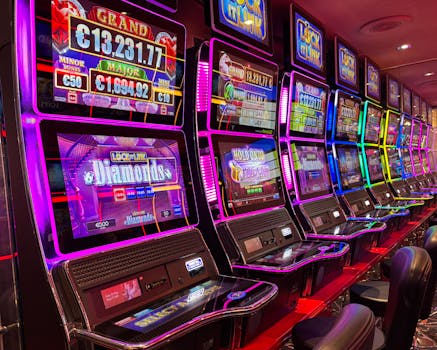
Slot machines, a staple in casinos worldwide, are often viewed as a game of pure luck. Their appeal lies in their simplicity and the chance to win big, but how much does luck really play into the equation? This article aims to demystify the 'luck factor' in slot machines and explain the mechanisms that ensure fairness and randomness.
The Role of Random Number Generators (RNGs)
.png)
At the core of every slot machine is a Random Number Generator (RNG). This computer program generates random sequences of numbers or symbols, ensuring that each spin's outcome is independent and unpredictable. The RNG makes it impossible to predict the next outcome based on previous results, debunking the myth of 'hot' or 'cold' machines.
Understanding Payback Percentage
The payback percentage, or return to player (RTP) rate, is crucial in understanding how slot machines work. Defined as the percentage of wagered money a slot machine will return over an extended period, this rate varies per machine. For instance, a slot with a 95% RTP will theoretically return $95 for every $100 wagered, retaining $5 as profit. However, this is averaged over numerous plays and players, meaning individual results can vary dramatically.
The Myth of Timing
Some players speculate that the timing of their bets could influence their chances of winning, assuming that playing at certain times or days might yield better results. However, since RNGs determine each spin's outcome, there is no "lucky time" to play. Each spin is random and independent of external timings.
Volatility and Its Impact
Volatility describes the frequency and size of payouts a slot machine offers. High volatility slots tend to pay out larger sums less frequently, while low volatility slots offer smaller payouts more often. Understanding a machine’s volatility can help players choose games that match their risk tolerance and playing style, though it doesn't influence the randomness of the outcomes.
Features and Bonuses
Modern slots often include various features like wilds, scatters, bonus rounds, and progressive jackpots. These elements are designed to enhance gameplay and make the games more engaging. While these can affect the frequency and amount of payouts, they do not alter the inherent randomness provided by the RNG.
Conclusion: Luck as Entertainment
While luck plays a role in short-term play, long-term outcomes in slot machines are determined by RNGs, RTP rates, and volatility, not by any predictable pattern or strategy. The best approach to playing slots is to view them as a form of entertainment. Setting a budget and sticking to it can help keep the experience enjoyable and financially responsible.
By understanding the true mechanics behind slot machines, players can better appreciate them as games of chance, where luck is just part of the fun.