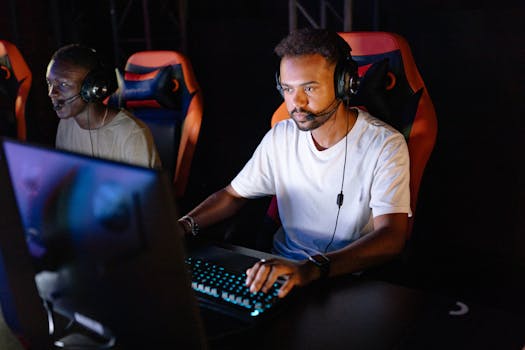
Virtual gaming tournaments have transformed from niche gatherings into global spectacles, drawing millions of players and even more viewers. In 2023 alone, the esports industry surpassed $1.38 billion in revenue, with online tournaments accounting for a significant share. Whether you’re a casual gamer or aspiring pro, joining these virtual competitions is both accessible and rewarding—if you know how to prepare, participate, and optimize your chances to win. This comprehensive guide will walk you through the entire process, from finding the right tournament to building a winning mindset.
The Rise of Virtual Gaming Tournaments: An Overview
Online gaming tournaments have exploded in popularity over the past decade. Platforms like Battlefy, ESL Play, and FACEIT host thousands of events each year, covering genres from first-person shooters to strategy games and sports simulations. In 2022, more than 200 million unique users participated in online gaming competitions, according to Statista.
Unlike traditional in-person events, virtual tournaments remove geographical barriers, letting anyone with a stable internet connection and the right game join from anywhere in the world. Prize pools have skyrocketed: The 2021 Fortnite World Cup, for example, awarded $30 million, with the champion, Bugha, taking home $3 million at just 16 years old.
.png)
The appeal isn’t just monetary. Virtual tournaments offer players experience, community, and a pathway to esports stardom. Whether you’re aiming to test your skills, make new friends, or go pro, understanding the landscape is your first step.
Choosing the Right Virtual Tournament for You
With thousands of tournaments available, selecting the right one can seem daunting. The key factors to consider are game genre, skill level, entry requirements, and prize structure. Here’s how to narrow it down:
1. Game and Genre: Start with your strongest game. Are you a strategy enthusiast (like StarCraft II), a battle royale fan (Fortnite, Apex Legends), or a sports gamer (FIFA, NBA 2K)? Choose a title you enjoy and know well. 2. Skill Level: Many platforms categorize tournaments into beginner, intermediate, or pro brackets. For example, ESL Play offers “Open” cups for new players and “Go4” series for those with more experience. 3. Entry Requirements: Some tournaments are open-access, while others require team registration, verified accounts, or even qualifying rounds. 4. Prize Structure: Not all competitions offer cash prizes; some feature in-game currency, gear, or recognition. Decide what motivates you.Here’s a comparative overview of popular tournament platforms:
| Platform | Main Games | Entry Fee | Skill Levels | Average Prize Pool |
|---|---|---|---|---|
| Battlefy | League of Legends, Valorant, FIFA | Free to $20 | All | $100 - $5,000 |
| ESL Play | CS:GO, Dota 2, Rocket League | Free | Beginner to Pro | $50 - $10,000 |
| FACEIT | CS:GO, PUBG, Rainbow Six | Free to $10 | All | $100 - $25,000 |
Choosing the right platform and event increases your chances of success and enjoyment.
Preparing for Tournament Success: Practice, Gear, and Setup
Winning starts long before the first match. Preparation is crucial, and it involves more than just logging hours in your favorite game.
1. Consistent Practice: Top tournament players train an average of 5-8 hours daily. Use tools like Aim Lab (for FPS games) or chess.com’s puzzles (for strategy games) to sharpen your skills. 2. Know the Rules: Each event has its own rulebook covering match format, allowed strategies, and code of conduct. Read these carefully—violating a rule can mean instant disqualification. 3. Optimize Your Setup: - Hardware: Invest in a gaming mouse, mechanical keyboard, and high-refresh-rate monitor. A laggy setup can cost you the win. - Internet: Use a wired Ethernet connection to minimize latency and packet loss. According to Ookla, a ping under 30ms is ideal for competitive play. - Environment: Minimize distractions. Use noise-canceling headphones and set up in a quiet room. 4. Team Communication: If the tournament is team-based, practice together and use voice chat platforms like Discord. Teams with clear communication win 30% more matches, according to a 2021 study by the University of Surrey. 5. Mental Preparation: Tournament pressure is real. Develop stress-management techniques like breathing exercises or pre-game routines used by top pros.Navigating Registration, Check-In, and Match Day Protocols
Getting into a tournament isn’t just about showing up. Each step—from signing up to competing—requires attention to detail.
1. Registration: Most platforms require you to create an account, link your gaming handle, and sometimes verify your identity. Registration windows can close quickly; monitor dates closely. 2. Team Formation: For team events, you’ll need to recruit teammates and register as a unit. Some platforms offer “free agent” matchmaking to help solo players find squads. 3. Check-In: Many tournaments require a check-in 30-60 minutes before the event starts. Missing this step is a common way players get disqualified. 4. Match Procedures: Know how matches are hosted—whether it’s a custom lobby, friend invite, or tournament server. Follow reporting protocols for results and screenshots in case of disputes. 5. Handling Technical Issues: If you face technical problems, alert tournament staff immediately. Most platforms have support channels for emergencies.Pro Tip: Keep backup devices and chargers handy. In the Fortnite World Cup qualifiers, nearly 5% of participants reported a technical failure during matches.
In-Game Strategies for Climbing the Tournament Ladder
Once the tournament begins, gameplay shifts from casual to fiercely competitive. Here’s how to stand out and advance:
1. Play to the Meta: Study patch notes and watch top players to understand the current “meta”—the most effective strategies and character choices. 2. Adapt Quickly: Be ready to change tactics mid-match. Flexibility is key; in the 2023 Valorant Champions Tour, teams that adjusted strategy after a loss won 55% of rematches. 3. Communicate and Coordinate: In team games, clear and concise communication prevents mistakes and enables clutch plays. Use callouts and assign roles. 4. Manage Nerves: Competitive pressure can cause even experienced players to underperform. Focus on your breathing, stay hydrated, and treat each match as a fresh start. 5. Review and Learn: After each match, review replays to identify mistakes and strengths. Self-analysis is crucial for improvement.Maximizing Your Tournament Experience and Long-Term Success
Winning isn’t everything—building a positive reputation and learning from each experience matters just as much.
1. Sportsmanship: Always respect opponents and organizers. Toxic behavior can lead to bans or lost sponsorship opportunities. 2. Networking: Tournaments are great places to connect with other players, coaches, and potential sponsors. Join tournament Discords and social media groups. 3. Building a Portfolio: Keep track of your placements, stats, and highlight reels. This portfolio is useful for applying to teams or seeking sponsorships. 4. Continuous Improvement: Analyze top players’ streams and VODs. Many pros, like “Ninja” or “s1mple,” share insights that can level up your play. 5. Health and Balance: Take regular breaks and maintain a healthy lifestyle. The British Esports Association recommends 5-minute breaks every hour to prevent fatigue.Winning in Virtual Gaming Tournaments: Key Takeaways
Participating in virtual gaming tournaments is more accessible than ever, offering opportunities for fun, competition, and even financial reward. With millions of players entering online tournaments each year, standing out requires preparation, strategy, and adaptability. Choose the right event, optimize your setup, master your game, and approach every competition with a growth mindset. Whether your end goal is a trophy, a cash prize, or personal improvement, the journey itself is enriching and full of learning.