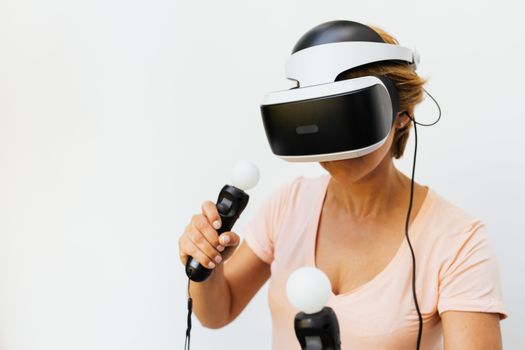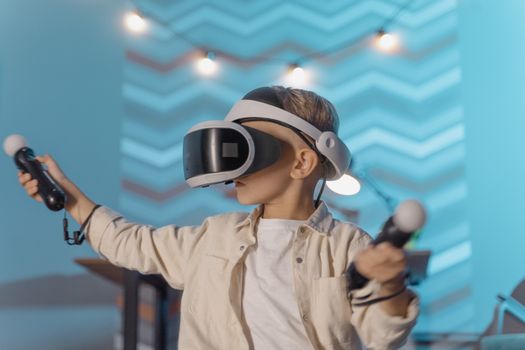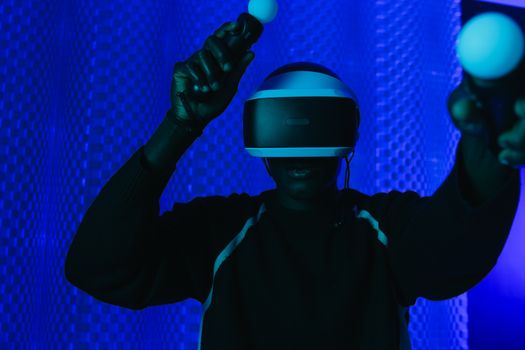
Virtual reality (VR) has long been touted as the next major leap in interactive entertainment, but only in the last decade has it moved from a futuristic ambition to a tangible, rapidly evolving part of everyday gaming. As hardware becomes more accessible and software innovation accelerates, the future of virtual reality in the gaming industry is poised to redefine how players experience digital worlds. But what will this future look like? Let's explore the trends, technological leaps, and consumer shifts that will shape VR gaming in the coming years.
Pushing Boundaries: The Technological Evolution of VR Hardware
The backbone of any virtual reality experience is the hardware, and recent advances have set the stage for a dramatic transformation. In 2023, the global VR headset market was valued at $11.5 billion, with projections suggesting it could exceed $53 billion by 2028, according to Mordor Intelligence. This explosive growth is driven by continuous improvements in display resolution, field of view, and motion tracking.
The latest VR headsets, such as the Meta Quest 3 and PlayStation VR2, boast 4K displays, inside-out tracking, and wireless freedom, eliminating many of the motion sickness and connectivity issues that plagued earlier generations. Future hardware is expected to feature:
.png) - Retina-level resolutions (over 60 pixels per degree)
- Eye tracking for foveated rendering (sharper images where you’re looking)
- Lighter, more comfortable designs using new materials
- Expanded haptic feedback, including full-body suits and tactile gloves
- Retina-level resolutions (over 60 pixels per degree)
- Eye tracking for foveated rendering (sharper images where you’re looking)
- Lighter, more comfortable designs using new materials
- Expanded haptic feedback, including full-body suits and tactile gloves
For example, the Apple Vision Pro’s anticipated integration of mixed reality blurs the line between digital and physical, hinting that future VR gaming will seamlessly blend with augmented reality (AR) for more immersive, interactive experiences. By 2026, experts predict that over 30% of new VR headsets sold will include advanced AR capabilities.
Game Design Revolution: Expanding What’s Possible in Virtual Worlds
With improved hardware comes a new era in game design. The future of VR gaming isn’t just about ports of existing titles—it’s about experiences built from the ground up for immersion.
Studios are experimenting with more sophisticated AI, procedural generation, and persistent online worlds. For instance, "Half-Life: Alyx," released in 2020, set a high bar by blending intricate environmental storytelling with intuitive hand-based controls. The next wave of VR games will likely feature:
- Fully interactive environments: Every object could be picked up, manipulated, or used in creative ways. - Social and cooperative experiences: VR chatrooms and multiplayer games with life-like avatars and vocal recognition. - Persistent worlds: MMOs where players shape evolving universes, similar to what Sandbox VR and VRChat are developing. - Adaptive difficulty and narrative: Games that adjust to your skill and decisions, powered by AI.As development tools like Unreal Engine 5 and Unity become more VR-friendly, indie studios will have the power to innovate just as rapidly as major publishers, diversifying the types of games and storytelling methods available.
Accessibility and Affordability: Bringing VR Gaming to the Masses
One of the greatest hurdles for VR adoption has been the barrier to entry—price, physical space, and technical know-how. Fortunately, this is changing rapidly. In 2016, a high-end VR setup could easily cost over $1,500. Today, standalone headsets like the Meta Quest 2 retail for under $300, and require no gaming PC.
Companies are also focusing on portability and ease-of-use. Wireless headsets with inside-out tracking (no external sensors) and simple setup allow more gamers to experience VR without complicated installations. As global internet connectivity grows, cloud-based VR streaming could further reduce hardware requirements, letting mid-range devices access high-fidelity experiences.
Efforts are also underway to make VR more inclusive for people with disabilities. Customizable controls, adjustable visuals, and even eye-tracking for hands-free navigation are being built into the next generation of headsets. By 2027, it’s estimated that over 25% of VR games will include robust accessibility options, up from less than 10% today.
Social and Competitive Gaming: VR’s New Frontiers
The social aspect of gaming has always been a driving force, and VR is set to revolutionize how players connect, compete, and create together. Social VR platforms like Rec Room and VRChat have already attracted millions of users, hosting everything from casual hangouts to live music performances.
Looking ahead, expect more:
- Cross-platform multiplayer: VR will increasingly support gaming with friends on consoles, PCs, and mobiles. - Esports in VR: Titles like Echo VR and Onward have already launched competitive leagues, and as VR spectator tools improve, virtual arenas may soon host global tournaments with millions of viewers. - User-generated content: With intuitive creation tools built into games, players can design and share their own levels, avatars, and environments, blurring the lines between gamer and developer.This social shift is supported by statistics: a 2023 survey by Newzoo found that 61% of VR gamers value multiplayer and social features above all else, indicating a strong demand for collaborative and competitive experiences.
Comparing VR, AR, and Mixed Reality in Gaming
To better understand where VR fits into the broader immersive technology landscape, it’s helpful to compare it directly with augmented reality (AR) and mixed reality (MR):
| Feature | Virtual Reality (VR) | Augmented Reality (AR) | Mixed Reality (MR) |
|---|---|---|---|
| Immersion Level | Fully immersive, blocks out real world | Overlays digital objects on real world | Blends digital and physical with interaction |
| Main Devices | VR headsets (e.g., Meta Quest, PS VR) | Smartphones, AR glasses (e.g., HoloLens) | Advanced headsets (e.g., Magic Leap, Vision Pro) |
| Current Market Share (2023) | ~65% | ~25% | ~10% |
| Best for | Fully immersive games, simulations | Casual/mobile gaming, on-the-go experiences | Interactive, collaborative, and enterprise games |
As the lines blur between these technologies, gamers can expect more hybrid experiences—think Pokémon GO-style AR elements in VR worlds, or VR games that adapt to your physical environment.
Economic Impact and Industry Growth Projections
The future of VR gaming isn’t just a question of better graphics or more immersive play—it’s a multi-billion dollar industry reshaping how games are made, sold, and played. In 2022, the global VR gaming market generated $7.92 billion in revenue, according to Grand View Research. By 2030, this is forecasted to reach $53.44 billion, growing at a compound annual growth rate (CAGR) of 30.2%.
Several factors are fueling this expansion:
- Increasing investment from tech giants like Meta, Sony, and Apple - Expansion of VR arcades, theme parks, and location-based entertainment - Integration with blockchain and digital asset ownership, enabling players to buy, sell, and trade in-game items securelyMore jobs are being created in VR content development, hardware design, and support services, while new business models—such as VR game subscriptions and in-app purchases—are emerging. By 2028, analysts predict that over 20% of all gaming revenue could come from VR and hybrid reality platforms.
Challenges and Hurdles Ahead for VR Gaming
Despite its promise, the road ahead for VR in gaming isn’t without obstacles. Some of the most pressing challenges include:
- Content availability: While the number of VR titles is growing, there are still far fewer AAA games compared to traditional platforms. - Motion sickness and health concerns: Although hardware improvements help, about 25% of new users still experience discomfort during prolonged sessions. - Standardization: With multiple competing platforms (Meta, Sony, Apple, Valve), fragmentation could slow content growth and compatibility. - Privacy and safety: As VR becomes more social and immersive, safeguarding user data and preventing harassment are increasingly important.Addressing these issues will require collaboration between hardware makers, developers, and regulatory bodies to ensure VR gaming is both enjoyable and safe for all.
What Gamers Can Expect from the Future of Virtual Reality
The coming years promise to be a turning point for virtual reality in gaming. As hardware becomes more capable and affordable, and developers embrace the unique potential of immersive worlds, players can look forward to:
- Richer, more interactive game environments that respond to every movement and decision - Seamless multiplayer and social experiences that rival real-world gatherings - Greater accessibility, making VR gaming available to a broader and more diverse audience - New genres and storytelling methods made possible only in VRThe convergence of VR, AR, and MR will further expand what’s possible, blending digital and physical play in ways we’re only beginning to imagine. Whether you’re a casual gamer or a competitive esports enthusiast, the future of VR gaming is bright, bold, and nearly here.