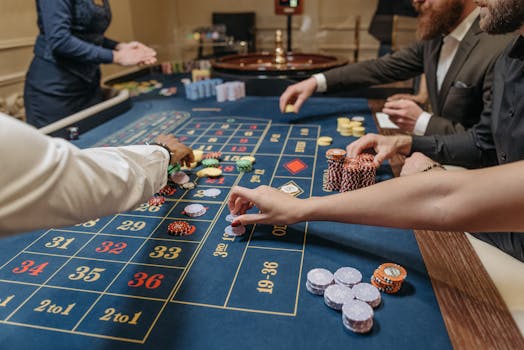
The Role of Chance in Casino Games: Understanding Luck, Probability, and the Player Experience
Anyone who has ever set foot in a casino—or played an online slot game—has likely wondered: is it all about luck? While skill, strategy, and decision-making can play a part in some games, the element of chance is the heartbeat of casino gaming. Understanding the role of chance helps players set realistic expectations, appreciate the thrill of unpredictability, and even make smarter choices about their gaming habits. In this article, we'll delve deep into how chance shapes the casino experience, explore the mathematics behind randomness, and compare the odds across popular games.
The Science Behind Chance: Randomness and Probability in Casinos
At its core, chance in casino games is governed by randomness and probability. Every spin of a roulette wheel, deal of the cards, or roll of the dice is designed to be unpredictable. Casinos rely on random number generators (RNGs) in digital games and carefully balanced physical mechanisms in table games to ensure fair outcomes.
.png)
Probability measures the likelihood of a specific event occurring. For example, in European roulette, the probability of landing on any single number is 1 in 37 (about 2.7%). This mathematical foundation is what gives each game its unique character and excitement. RNGs, frequently audited by third parties, generate billions of number sequences every second to ensure slots and virtual games are fair and random.
A study published by the American Gaming Association in 2023 found that over 85% of casino players cited the unpredictability of outcomes as a major source of excitement. This speaks to the psychological appeal of chance and the adrenaline rush associated with the unknown.
House Edge: How Casinos Use Chance to Their Advantage
While chance gives every player hope, it also ensures the casino makes a profit in the long run. This is achieved through the concept of the "house edge," which is the built-in mathematical advantage that the casino holds over players. The house edge varies by game and even by bet type within a game.
For example, American roulette has a house edge of 5.26%, while blackjack (with optimal basic strategy) can be as low as 0.5%. This means that for every $100 wagered, the casino expects to keep $5.26 from roulette players and just 50 cents from blackjack players, on average. Over millions of spins, deals, and rolls, these small percentages add up to significant profits.
It's important to recognize that the house edge doesn't guarantee casinos win every time. Rather, it ensures that over a large number of plays, the odds tilt in favor of the house. This subtle but powerful advantage is what keeps casino lights shining bright.
Chance vs. Skill: A Game-by-Game Breakdown
Not all casino games are created equal when it comes to the influence of chance versus skill. Some games, like slots and roulette, are purely games of chance, while others, like poker and blackjack, incorporate elements of skill and strategy. Understanding this distinction is crucial for players who want to tailor their gaming experience.
Below is a comparative table that highlights the role of chance and skill in some of the most popular casino games:
| Game | Chance vs. Skill | House Edge (%) | Player Decision Impact |
|---|---|---|---|
| Slots | Pure Chance | 2-15 | None |
| Roulette | Pure Chance | 2.7 (European), 5.26 (American) | Low |
| Blackjack | Chance & Skill | 0.5-2 | High |
| Poker | Skill & Chance | Varies (0-5, rake) | Very High |
| Baccarat | Mostly Chance | 1.06 (Banker), 1.24 (Player) | Low |
| Craps | Mostly Chance | 1.4 (Pass Line) | Moderate |
As shown, games like slots and roulette are dominated by chance, giving players no real way to influence the outcome. In contrast, blackjack and poker provide opportunities for skilled players to improve their odds, though luck still plays a significant role.
The Psychological Impact of Randomness: Why Players Love Uncertainty
Chance doesn’t just shape the outcomes—it also profoundly affects the player experience. The unpredictability of casino games activates brain pathways associated with excitement and reward. This is why even small wins can feel exhilarating and why “near-misses” on a slot machine can be so compelling.
A 2022 study by the University of Nevada found that 78% of regular casino visitors reported that the thrill of not knowing what would happen next was their main motivation for playing. Interestingly, the anticipation of a possible win often releases dopamine, the same neurotransmitter involved in other pleasurable activities like eating or exercise.
However, this psychological response can also lead to misconceptions. Many players fall victim to the "gambler’s fallacy"—the belief that past events affect future outcomes in random games. For example, thinking a roulette wheel is “due” to land on red after several blacks in a row. Educating players about the true nature of randomness can help promote healthier gaming habits.
Chance in Action: Real-World Examples from Iconic Casino Moments
The role of chance in casino games is best illustrated through famous real-world examples. Consider the case of Archie Karas, who turned $50 into $40 million in Las Vegas during the early 1990s through a series of lucky streaks at dice and poker tables. Eventually, luck turned and he lost it all—a vivid reminder of chance’s double-edged sword.
Another fascinating case is the largest slot machine jackpot ever won: in 2003, a 25-year-old software engineer hit a $39.7 million Megabucks jackpot at the Excalibur Casino in Las Vegas. The odds of hitting this win were estimated at 1 in 16.7 million.
Such stories capture the imagination and solidify the allure of casinos. They also serve as cautionary tales about the unpredictable nature of gambling. For every big winner, there are millions who lose, underscoring the importance of understanding the role of chance.
Embracing Chance Responsibly: Setting Expectations and Enjoying the Game
Recognizing the central role of chance in casino games is essential for a fun and responsible experience. Here are some key takeaways for players:
- Set realistic expectations: Understand that the odds are always in the casino’s favor over time. - Enjoy the unpredictability: Embrace the thrill that comes from not knowing what happens next. - Manage your bankroll: Decide in advance how much you’re willing to spend—and stick to it. - Avoid chasing losses: Don’t fall into the trap of trying to “win back” money lost due to chance. - Focus on entertainment: View casino games as a form of paid entertainment, not as a way to make money.According to the National Council on Problem Gambling, around 1% of U.S. adults meet the criteria for a severe gambling problem, highlighting the importance of education and self-control when embracing games of chance.
Final Thoughts: The Enduring Appeal of Chance in Casino Games
Chance is the great equalizer in casino gaming. It gives every player—from the novice to the seasoned pro—a shot at glory, but also ensures that outcomes remain delightfully unpredictable. Understanding the mathematics and psychology behind chance can transform your casino experience from one of frustration to one of enjoyment and appreciation.
Whether you’re spinning the reels, betting on black, or playing a hand of poker, remember: chance is always at the table. Embrace it, respect it, and you’ll find that the true thrill of casino gaming lies not just in winning, but in the anticipation of what could happen next.