Virtual games have become an integral part of modern entertainment, social interaction, and even education. As of 2023, over 3.2 billion people worldwide engage with video games, with virtual games—those played online or in immersive digital environments—making up a significant portion of this audience. While the benefits of gaming, such as improved hand-eye coordination and problem-solving skills, are widely acknowledged, the impact of virtual games on players' mental health is a subject of growing concern and research. From fostering community and resilience to potentially fueling anxiety and addiction, virtual gaming’s psychological footprint is complex and multifaceted. This article explores both the positive and negative influences of virtual games on mental health, backed by data, real-world examples, and expert insights.
The Positive Effects of Virtual Games on Mental Health
Contrary to some stereotypes, virtual games can offer a range of mental health benefits, particularly when played in moderation and within supportive communities. One of the most significant advantages is stress relief. A 2022 study by the Oxford Internet Institute found that participants who played casual online games reported a 21% reduction in stress levels after just 30 minutes of gameplay.
Additionally, virtual games can encourage social connection. For many, especially during times of isolation such as the COVID-19 pandemic, online multiplayer games provided opportunities to build friendships and maintain social bonds. Games like Animal Crossing: New Horizons, which saw over 31 million copies sold worldwide, became a digital gathering place for millions during lockdowns.
.png)
Other positive impacts include:
- Cognitive stimulation: Puzzle and strategy games can improve memory, attention, and executive functioning. - Emotional resilience: Overcoming in-game challenges can foster a sense of accomplishment and boost self-esteem. - Safe emotional outlets: Games provide a space to experience and process emotions in a controlled environment.These benefits are particularly notable among adolescents and young adults, with a survey from the Entertainment Software Association indicating that 70% of gamers feel that games help them connect with friends and family.
Risks and Negative Impacts: When Gaming Goes Too Far
Despite the positives, excessive or problematic gaming can contribute to a range of mental health issues. The World Health Organization officially recognized "gaming disorder" in 2019, characterizing it by impaired control over gaming, increasing priority given to gaming over other activities, and continuation despite negative consequences.
Key risks include:
- Addiction: Approximately 3-4% of gamers worldwide exhibit signs of gaming disorder, according to a 2023 meta-analysis published in the Journal of Behavioral Addictions. - Depression and anxiety: Studies suggest that excessive gaming can be associated with higher levels of depressive symptoms, especially when gaming replaces other social or physical activities. - Sleep disruption: The blue light emitted by screens and the stimulating nature of games can interfere with sleep cycles, leading to fatigue and mood disturbances.For example, a 2021 survey from the American Psychological Association found that 15% of teenage gamers reported losing sleep due to late-night gaming sessions, with 6% admitting to skipping meals or school.
Types of Virtual Games and Their Distinct Impacts
Not all virtual games affect mental health in the same way. The genre, design, and social features of a game can significantly influence a player’s psychological experience. The table below summarizes findings from recent studies highlighting the differences among popular game types:
| Game Type | Potential Benefits | Potential Risks | Notable Examples |
|---|---|---|---|
| MMORPGs (Massively Multiplayer Online Role-Playing Games) | Social connection, teamwork, complex problem-solving | Addiction, social withdrawal, time mismanagement | World of Warcraft, Final Fantasy XIV |
| Casual Mobile Games | Stress relief, cognitive stimulation | Impulse spending, distraction | Candy Crush Saga, Among Us |
| First-Person Shooters (FPS) | Hand-eye coordination, quick thinking | Aggression (in some cases), desensitization | Call of Duty, Overwatch |
| Simulation & Creative Games | Creativity, planning, relaxation | Escapism, time loss | The Sims, Minecraft |
These distinctions are important for parents, educators, and mental health professionals who wish to support healthy gaming habits.
Virtual Games and Social Well-being
One of the most transformative aspects of virtual gaming is its ability to foster social well-being. Multiplayer platforms, guilds, and team-based objectives require communication, cooperation, and empathy. According to a 2023 Pew Research Center report, 57% of teens say they've made at least one close friend through online gaming.
In addition, communities built around games often extend beyond the screen. Online groups on Discord, Reddit, and other platforms provide spaces where players can share strategies, support each other emotionally, and even organize real-world meetups. These interactions can help individuals who struggle with social anxiety or feel isolated in their offline lives.
However, online interactions are not without challenges. Cyberbullying, toxic behavior, and exclusion can occur, potentially harming participants’ self-esteem and mental health. A survey by the Anti-Defamation League in 2022 found that 65% of online gamers aged 18-45 had experienced some form of harassment while playing.
Virtual Reality (VR) and Immersive Gaming: A New Frontier for Mental Health
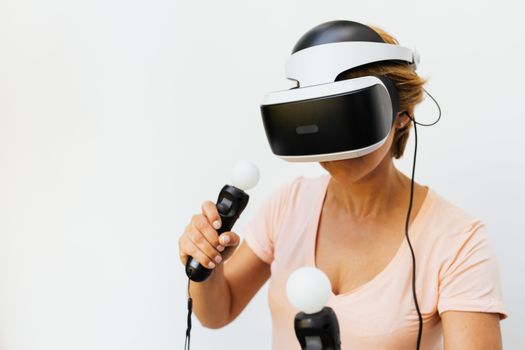
The advent of virtual reality has added a new dimension to the conversation about games and mental health. VR games, which immerse players in three-dimensional environments, are being studied for both therapeutic applications and potential risks.
On the positive side, VR is increasingly used in clinical settings for exposure therapy, anxiety reduction, and even physical rehabilitation. A study published in the journal Nature in 2023 found that VR-based mindfulness games reduced anxiety symptoms by 38% in participants with generalized anxiety disorder.
However, VR also presents unique risks:
- Motion sickness and disorientation can cause discomfort and exacerbate pre-existing conditions like migraines. - The high level of immersion can make it harder for some users to distinguish between virtual and real experiences, potentially leading to dissociation.With the VR gaming market projected to reach $45.2 billion by 2027, understanding these effects will be crucial as more players adopt this technology.
Strategies for Healthy Gaming and Mental Well-being
Balancing the mental health benefits and risks of virtual games requires conscious management by players, parents, and communities. Here are evidence-based strategies for fostering healthy gaming habits:
1. Set time limits: The American Academy of Pediatrics recommends no more than one hour per day of recreational screen time for children aged 6-18, but adults can also benefit from scheduled breaks. 2. Prioritize sleep: Avoid gaming within one hour of bedtime to reduce sleep disruption. 3. Encourage social play: Cooperative games and positive online communities can provide emotional support and reduce the risk of isolation. 4. Monitor emotional responses: If gaming consistently leads to irritability, anxiety, or depression, consider reducing playtime or seeking professional help. 5. Practice digital literacy: Learn to recognize signs of cyberbullying or toxic in-game behavior and use reporting tools when needed.Some platforms now provide in-game reminders, parental controls, and mental health resources. For example, Xbox and PlayStation include features that allow users to track playtime and set limits for themselves or their children.
Looking Ahead: The Evolving Relationship Between Virtual Games and Mental Health
As virtual games become more immersive and socially integrated, their influence on mental health will continue to evolve. Upcoming trends—such as the integration of artificial intelligence for personalized game experiences and the expansion of AR/VR technologies—promise new opportunities and challenges alike.
Ongoing research will be essential. Major universities and health organizations are increasingly partnering with game developers to design studies and interventions that maximize the benefits and minimize the harms of virtual gaming. The hope is that, with thoughtful design and informed use, virtual games can become a powerful tool for both entertainment and psychological well-being.